
Water Softener Installation & Repair in Alexandria, VA
Whole-home water softener installation and repair for Alexandria's hard municipal water, protecting fixtures and extending appliance life.
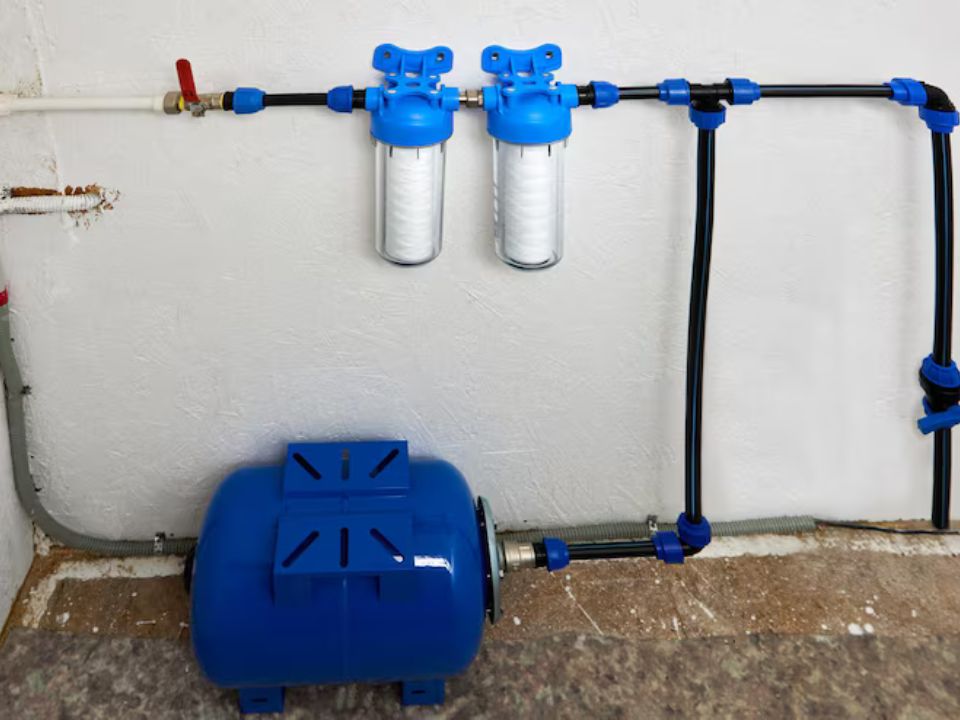
Alexandria's municipal water carries enough mineral content that many homeowners notice the effects before they know the cause: spotty dishes, dry skin, and faster buildup inside water heaters and fixtures. A whole-home softener addresses the mineral content at the source, and this team also repairs existing systems that have stopped regenerating properly. Most callers are surprised how many of their small, unrelated household annoyances trace back to the same underlying cause once a hardness test confirms it.
Local CauseWhy Alexandria Water Runs Hard
The Washington Aqueduct system that supplies much of Northern Virginia, including Alexandria, draws from the Potomac River, which carries a moderate-to-hard mineral profile depending on season and rainfall. That mineral load is what shortens the life of water heaters, clogs faucet aerators, and leaves the scale buildup visible on fixtures and glassware. Homes on the west side of the city closer to the Fairfax County line sometimes report slightly different hardness readings depending on which water main feeds their block, which is exactly why a hardness test matters more than a general assumption about the area.
Signs to Watch ForSigns You Need a Softener or Repair
Scale Buildup on Fixtures
White, crusty mineral deposits around faucets and showerheads are a direct sign of hard water.
Reduced Soap Lather
Hard water reacts with soap to reduce lather, leaving skin feeling dry after a shower.
System Not Regenerating
An existing softener that stops cycling through regeneration usually needs a valve or resin repair.
Shorter Appliance Life
Dishwashers and water heaters wearing out faster than expected often trace back to unaddressed hard water.
Notice Scale Buildup at Home?
A free water hardness check tells you exactly what you're dealing with.
How We Diagnose a Softener Problem
For a new installation, a quick hardness test confirms the grain capacity needed for the household's water usage. For an existing system, the technician checks the control valve, resin bed, and brine tank to isolate whether the fix is a simple valve repair or a full resin replacement, installed to current plumbing code standards (IPC).
Repair OptionsRepair vs. Replacement
Repair
- Lower upfront cost
- Fixes valve or timer issues
- Keeps existing resin bed
- Best for systems under 8 years old
New System
- Correctly sized for household
- Modern, more efficient regeneration
- Fewer future service calls
- Recommended for systems 10+ years old
What This Typically Costs
Exact quote after inspection, before any work begins.
Water softener installation and repair is a home improvement expense and isn't covered by homeowner's insurance.
Before You CallWhat to Check Before You Call
Photos of buildup around fixtures help the technician assess severity before arriving.
If you already have a softener, check whether the brine tank has salt and water in it, since an empty tank is a common simple fix.
Common Questions
Yes, a quick test on-site confirms your water's hardness level before recommending a system size.
Most systems last 10 to 15 years with normal maintenance, though the resin bed sometimes needs replacement sooner.
Yes, reducing mineral content significantly slows the sediment buildup that shortens water heater life.
Yes, traditional salt-based softeners require periodic salt refills in the brine tank, which the technician can walk through during installation.
Often Paired With This Job
Homes replacing an aging water heater often add a softener at the same time, since less mineral buildup means the new unit lasts longer.
A whole-home softener is sometimes paired with a separate drinking-water filtration system, worth asking about during a general plumbing consultation.
Also Serving
Tired of Hard Water?
A free hardness check tells you exactly what system fits your home.
☎ Call (703) 912-0567