
Basement Waterproofing in Alexandria, VA
Interior drainage and sump system upgrades to reduce recurring basement moisture in Alexandria's older, below-grade rowhouse foundations.
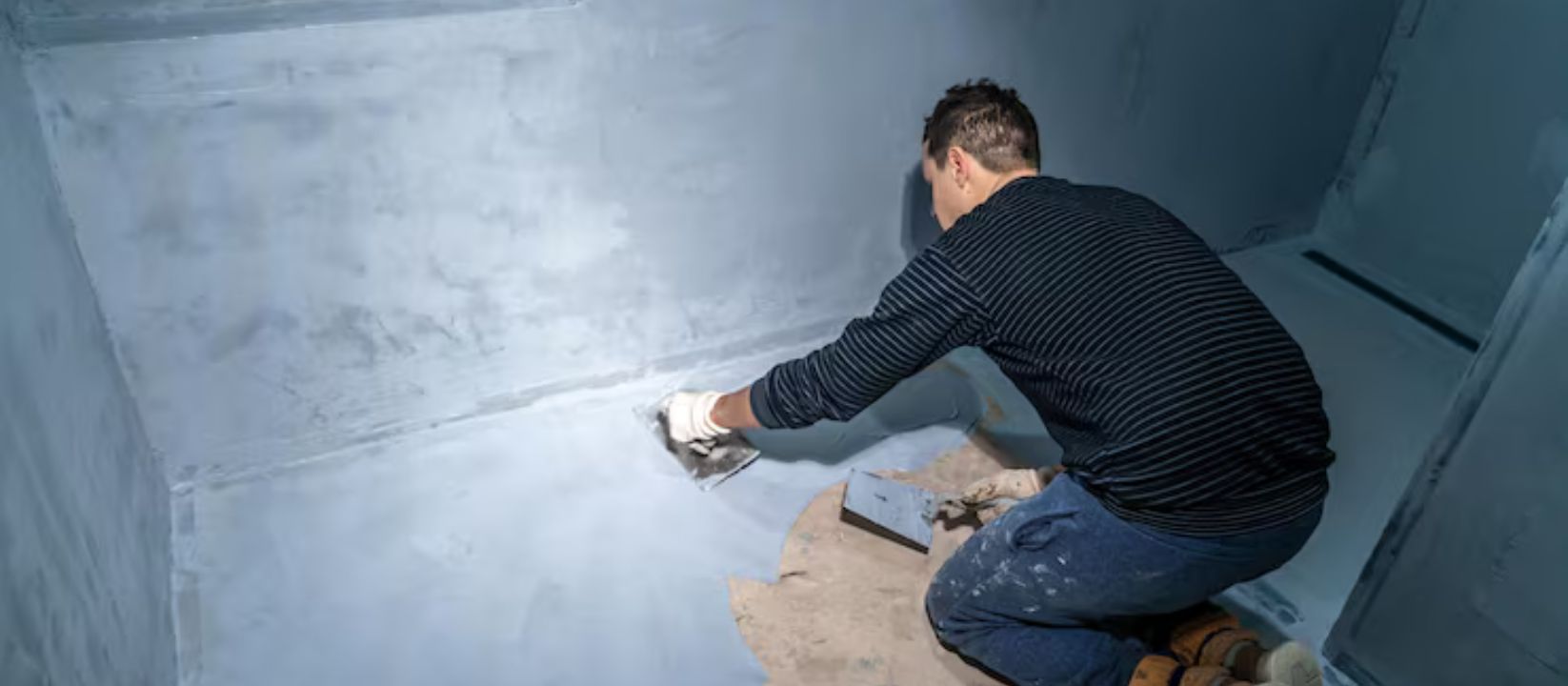
Basement waterproofing addresses recurring groundwater moisture, not a single leak event, and it's a genuinely common conversation in Alexandria given how many homes in Old Town and the low-lying blocks near the Potomac sit on a naturally high water table. This is about reducing how often water gets in, not restoring damage that's already happened.
When a Sump Pump Alone Isn't Enough
A sump pump handles water that's already made it into the basement. Waterproofing addresses where that water is coming from in the first place, an interior drainage system installed along the foundation's perimeter that channels groundwater to the sump pit before it ever reaches the floor.
Local CauseWhy Alexandria Basements See Recurring Moisture
Homes near Old Town and Potomac Yard sit close enough to the river that the water table pushes against foundation walls year-round, and older rowhouse foundations were built well before modern exterior waterproofing membranes were standard practice. That combination means groundwater finds its way in through hairline foundation cracks and the wall-floor joint, especially after heavy rain.
Signs to Watch ForSigns Your Basement Needs Waterproofing
Recurring Moisture After Rain
A basement that dampens or floods lightly after every heavy rain, even with a working sump pump, points to a groundwater intrusion problem.
Efflorescence on Walls
White, chalky mineral deposits on foundation walls are a visible sign of water moving through the concrete.
Musty Persistent Odor
An ongoing damp smell even when no active leak is visible often means moisture is present in the wall-floor joint.
Sump Pump Running Constantly
A sump pump that never stops cycling during wet weather suggests more water is entering than the current system was designed for.
Recurring Basement Moisture?
A free assessment identifies exactly where water is getting in.
How We Assess a Basement
The assessment traces moisture patterns along the foundation to identify entry points, typically the wall-floor joint or hairline cracks, then evaluates whether the existing sump system has enough capacity for an interior drainage system feeding into it. Homes with no sump pump at all usually need one installed as part of the waterproofing scope.
Repair OptionsSump Pump Alone vs. Full Interior Drainage
Sump Pump Only
- Lower upfront cost
- Handles water after it enters
- Doesn't stop the moisture source
- Best for occasional, minor issues
Interior Drainage System
- Channels water before it reaches the floor
- Addresses recurring wall-floor moisture
- Reduces long-term structural risk
- Recommended for chronic basements
What This Typically Costs
Exact quote after inspection, before any work begins.
Basement waterproofing is a preventive home improvement and isn't typically covered by homeowner's insurance, even though the flooding it prevents sometimes is.
Before You CallWhat to Note Before the Assessment
Note whether moisture shows up after every rain or only during major storms, which helps size the right system.
Look for white mineral residue on foundation walls, a useful sign to point out during the assessment.
Common Questions
No, a sump pump removes water that's already entered. Waterproofing, typically an interior drainage system, intercepts groundwater before it reaches the floor.
Yes, a technician evaluates the basement and existing sump capacity before recommending a scope of work.
It significantly reduces recurring moisture from groundwater intrusion, though it doesn't address unrelated issues like exterior grading or gutter drainage.
Often Paired With This Job
Every waterproofing system relies on a properly sized sump pump to move the collected water out.
A basement with existing water damage from past flooding should address water damage restoration before or alongside a waterproofing upgrade.
Also Serving
Recurring Basement Moisture?
A free assessment identifies exactly where water is getting in and what it takes to stop it.
☎ Call (703) 912-0567